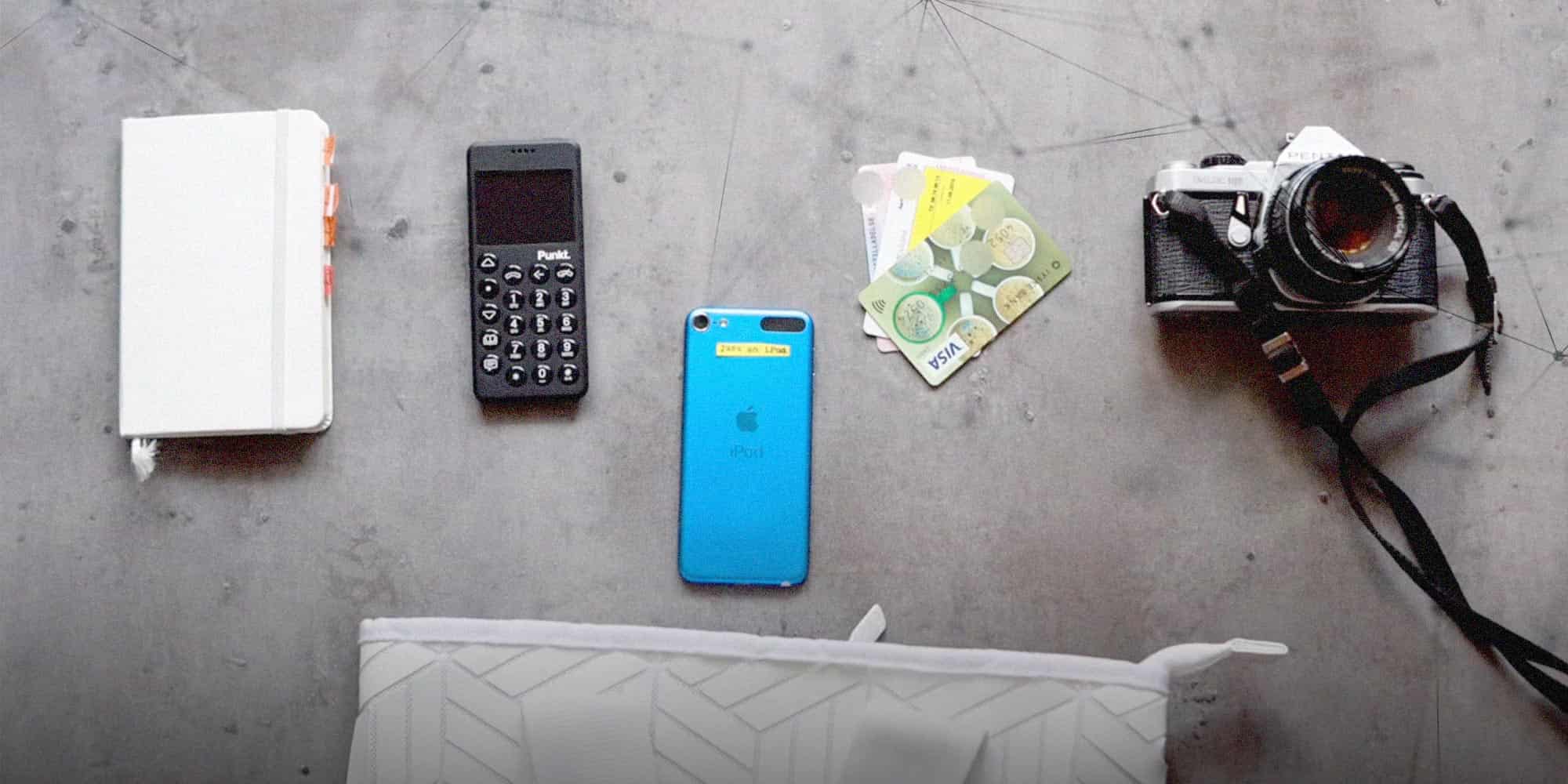
In today’s hyperconnected world, it’s easy to feel overwhelmed by the constant flow of digital information. Notifications, emails, social media updates, endless browser tabs, and dozens of apps compete for our attention every day. While technology has made our lives more convenient in many ways, it has also created a new type of clutter: digital clutter.
Digital minimalism is a philosophy that encourages people to be more intentional about how they use technology. Instead of letting devices and platforms dictate how we spend our time, digital minimalism focuses on using technology in ways that support our values, goals, and well-being.
Decluttering your online life doesn’t mean abandoning technology entirely. Instead, it’s about removing unnecessary digital noise so you can focus on what truly matters.
What Is Digital Minimalism?
Digital minimalism is the practice of intentionally reducing digital distractions and limiting technology use to the tools and platforms that genuinely improve your life.
Rather than installing every new app or checking every notification, digital minimalists carefully choose the technologies they allow into their routines.
The goal is simple: use technology as a tool, not as a constant source of distraction.
This approach can improve productivity, mental clarity, and overall quality of life.
Why Digital Clutter Is a Growing Problem
Many people underestimate how much digital clutter affects their daily lives.
Some common sources of digital overload include:
- hundreds or thousands of unread emails
- dozens of unused mobile apps
- social media notifications every few minutes
- cluttered desktops and download folders
- constant news and content consumption
These digital distractions can quietly drain time, attention, and mental energy.
Research has shown that frequent interruptions can significantly reduce focus and productivity. Even brief notifications can disrupt concentration and make it harder to return to deep work.
Over time, this constant fragmentation of attention can lead to stress, burnout, and reduced creativity.
Signs Your Digital Life Is Too Cluttered
Many people don’t realize how overloaded their digital environment has become until they step back and evaluate it.
Some signs of digital clutter include:
- feeling overwhelmed by notifications
- constantly checking social media without thinking
- struggling to focus because of online distractions
- having dozens of unused apps or accounts
- spending more time online than intended
If technology frequently interrupts your focus or leaves you feeling mentally exhausted, it may be time to simplify your digital environment.
Step 1: Audit Your Digital Tools
The first step toward digital minimalism is understanding which technologies you actually use.
Take time to review:
- apps on your phone
- browser extensions
- email subscriptions
- social media accounts
- productivity tools
Ask yourself a simple question for each one:
Does this tool genuinely add value to my life?
If the answer is no, consider removing it.
Many people discover they are using only a small fraction of the apps and services installed on their devices.
Step 2: Reduce Notifications
Notifications are one of the biggest sources of digital distraction.
Many apps are designed to keep users engaged by constantly sending alerts. While some notifications are useful, most are not urgent.
A good strategy is to disable notifications for:
- social media apps
- shopping apps
- news alerts
- games
- promotional emails
Keep notifications only for essential tools such as messaging, calendar reminders, or work-related communication.
Reducing notifications can dramatically improve focus and reduce the urge to check your phone constantly.
Step 3: Clean Up Your Email Inbox
Email overload is a common form of digital clutter.
Many people receive dozens or even hundreds of emails per day, most of which are not essential.
To simplify your inbox:
- unsubscribe from unnecessary newsletters
- use filters to organize messages
- archive or delete old emails
- separate personal and professional accounts
Some people also adopt an “inbox zero” approach, where emails are regularly processed and organized instead of accumulating.
Even small improvements in email management can reduce daily stress and increase efficiency.
Step 4: Simplify Social Media
Social media platforms are among the most powerful sources of digital distraction.
Digital minimalism does not necessarily require deleting all social media accounts, but it does encourage more intentional use.
You can simplify social media by:
- unfollowing accounts that provide little value
- limiting daily usage time
- removing apps from your phone
- accessing platforms only from a desktop browser
This approach helps prevent endless scrolling while still allowing you to stay connected with friends, communities, or useful information.
Step 5: Organize Your Digital Files
Digital clutter also appears in the form of disorganized files and folders.
Many people accumulate thousands of documents, downloads, screenshots, and photos without any system for managing them.
To reduce this clutter:
- create simple folder structures
- delete duplicate files
- archive old documents
- organize important information clearly
A cleaner digital workspace makes it easier to find what you need quickly and reduces mental friction when working.
Step 6: Establish Technology Boundaries
Digital minimalism also involves setting boundaries for how and when technology is used.
Some effective strategies include:
- scheduling specific times to check email or social media
- avoiding screens during meals
- creating phone-free periods in the evening
- keeping devices out of the bedroom
These boundaries help prevent technology from dominating every moment of the day.
Instead of reacting to constant digital input, you regain control over your time and attention.
The Benefits of Digital Minimalism
People who adopt digital minimalism often experience several positive changes.
Improved focus
Fewer distractions make it easier to concentrate on important tasks.
Reduced stress
Less digital noise can create a calmer mental environment.
Better time management
Without constant interruptions, people often recover hours of time each week.
Stronger real-world connections
Reducing online distractions can lead to more meaningful in-person interactions.
These benefits make digital minimalism an appealing lifestyle choice for many professionals and creatives.
Technology Should Serve Your Life
One of the key principles of digital minimalism is remembering that technology should serve human goals — not control them.
The internet offers incredible tools for learning, communication, creativity, and opportunity. However, without intentional use, these same tools can easily become sources of distraction and overwhelm.
By simplifying your digital environment, you create more space for meaningful work, deeper relationships, and focused thinking.
Digital minimalism is not about rejecting modern technology. Instead, it’s about using technology with purpose and intention.
By auditing your digital tools, reducing notifications, organizing files, and setting boundaries around device usage, you can reclaim control over your online life.
In a world filled with endless digital noise, sometimes the most powerful productivity strategy is simply removing what you don’t need.
A cleaner digital environment doesn’t just improve efficiency — it also creates the mental space needed to focus on what truly matters.